
Dear visitors,
we warmly welcome you to the Prague Castle website. We would like to invite you to visit the historical buildings, exhibitions, listen to concerts or participate in guided tours and many other activities for the general public.
Prague Castle
an ancient symbol of the Czech State, the most significant Czech monument and one of the most important cultural institutions in the Czech Republic.
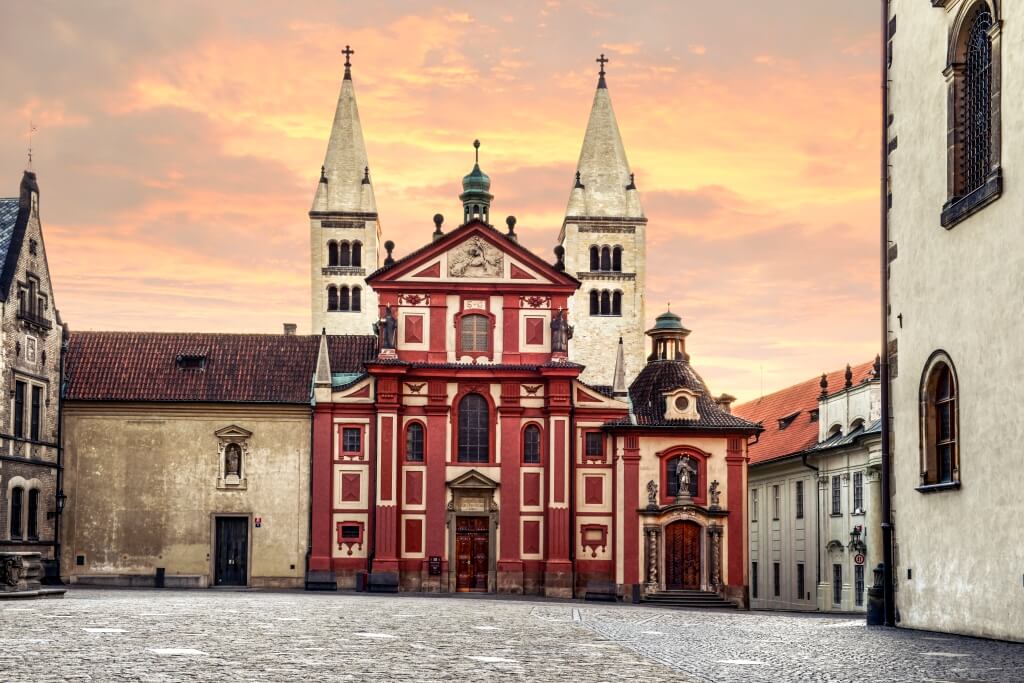
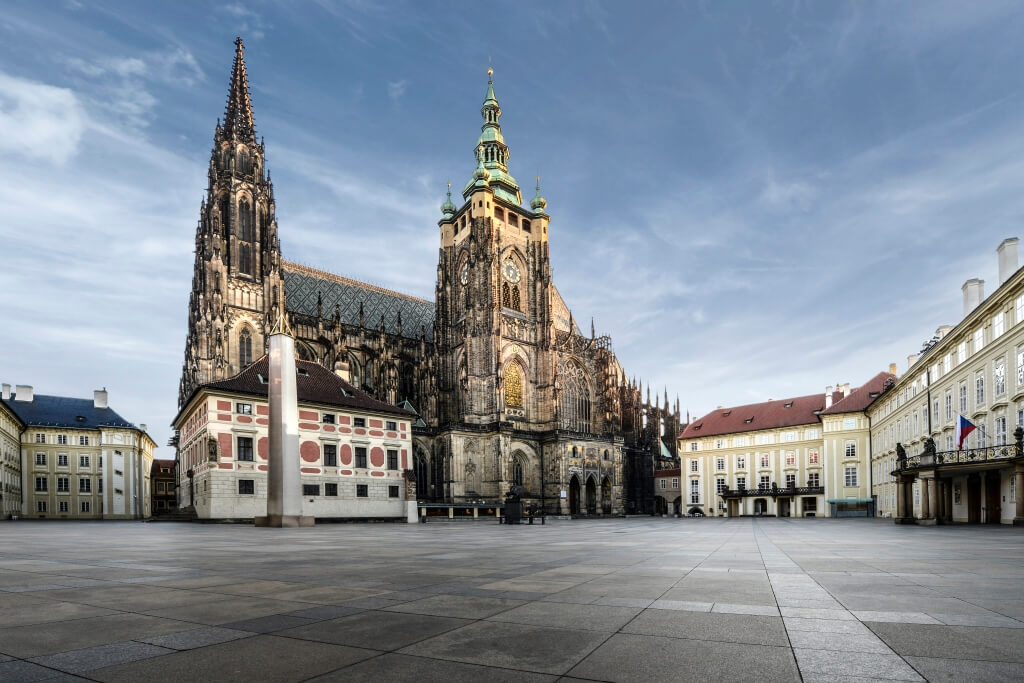
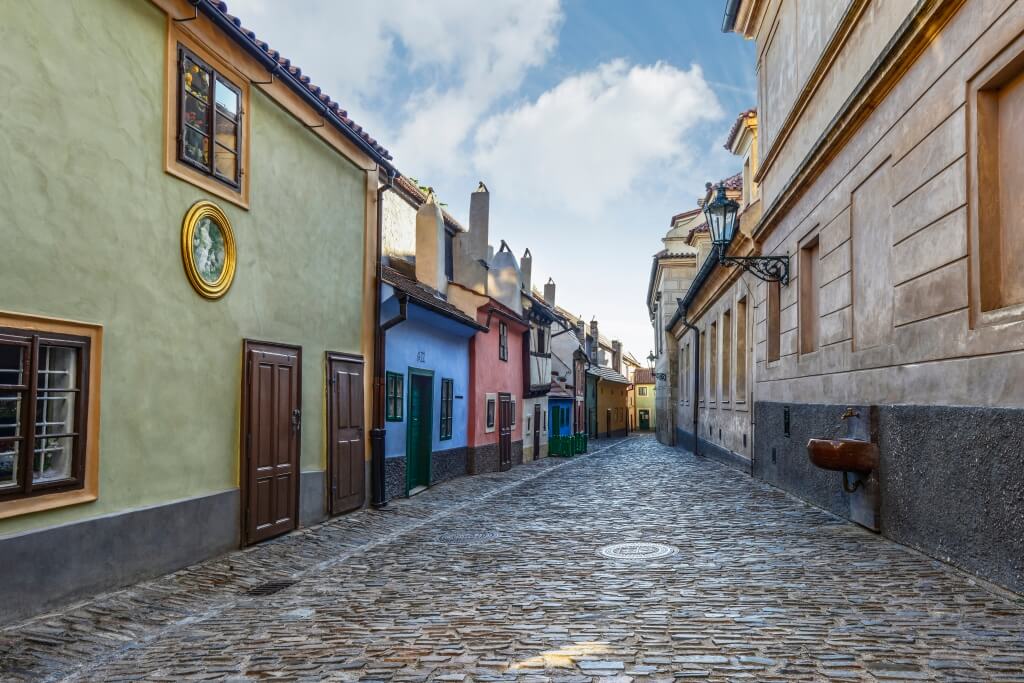
UNESCO monument with a tradition of more than 1000 years.
Textbook of architecture and art history.
Destination for visitors from all over the world.
Prague Castle was most likely founded in around 880 by Prince Bořivoj of the Premyslid Dynasty (Přemyslovci). According to the Guinness Book of World Records, Prague Castle is the largest coherent castle complex in the world, with an area of almost 70,000 m². A UNESCO World Heritage site, it consists of a large-scale composition of palaces and ecclesiastical buildings of various architectural styles, from the remains of Romanesque-style buildings from the 10th century through Gothic modifications of the 14th century. The famous Slovenian architect Josip Plečnik was responsible for extensive renovations in the time of the First Republic (1918-1938). Since the Velvet Revolution, Prague Castle has undergone significant and ongoing repairs and reconstructions.
***
Explore the iconic Saint Vitus Cathedral like never before! Limited slots available for January tours – secure your spot now. Uncover hidden gems, from the Royal Crypt to the Saint Wenceslas Chapel, areas normally off-limits to the public. Our 75-minute guided tour in English offers an immersive experience, revealing the cathedral's rich heritage. Check our reservation calendar at Reservation calendar - Správa Pražského hradu - Pražský hrad for the last available dates.
More information about our guided tours can be found here.
***
All visitors of Prague Castle are kindly required not to bring any large baggage into Prague Castle area and to follow the instructions of the Rules and Regulations of Prague Castle (PDF, 89 kB).
Information for security searches (PDF, 537 kB).
We would like to inform you that the Prague Castle and it´s surroundings are part of no-flight zone. We ask you not to use flying devices known as drones in the area mentioned. Thank you.